LRN
What is LRN
Project Concept
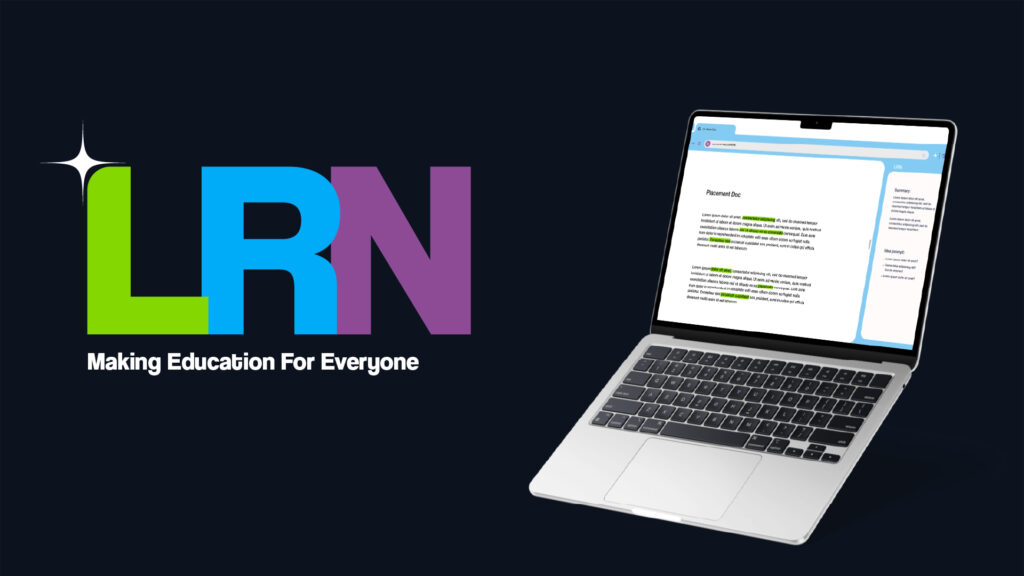
LRN was a collaborative UI project with a heavy emphasis on design and branding. We aimed to look at tackling one of education's most overlooked problems.
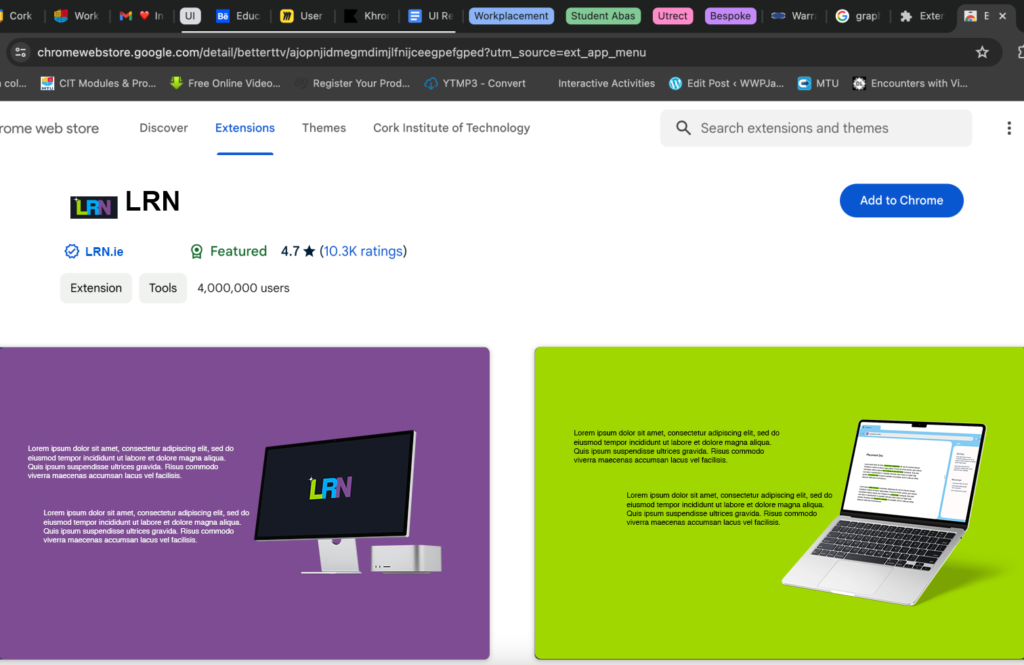
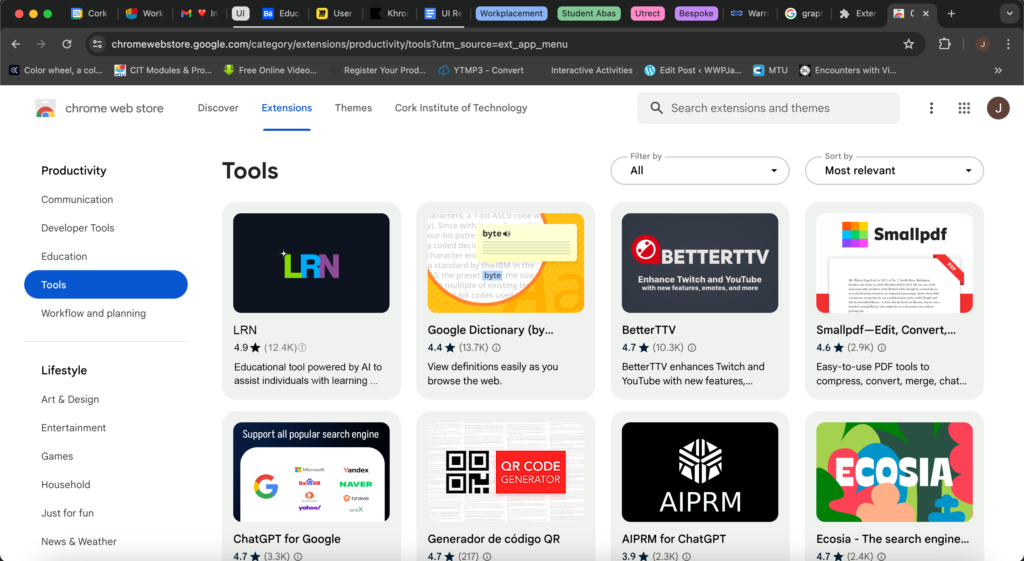
LRN is a Chrome extension built to support teenagers with learning disabilities in a system that too often leaves them behind.
The Research
Before designing anything we spoke to the people closest to the problem.
Interviews with five Special Needs Assistants gave us the primary evidence needed to move beyond assumption and design with real intention.
The Thinking
Every design decision was made with the user first.
The interface had to be seamless enough to not draw attention to the student using it while still being bold enough to feel like something worth opening.
The Interface
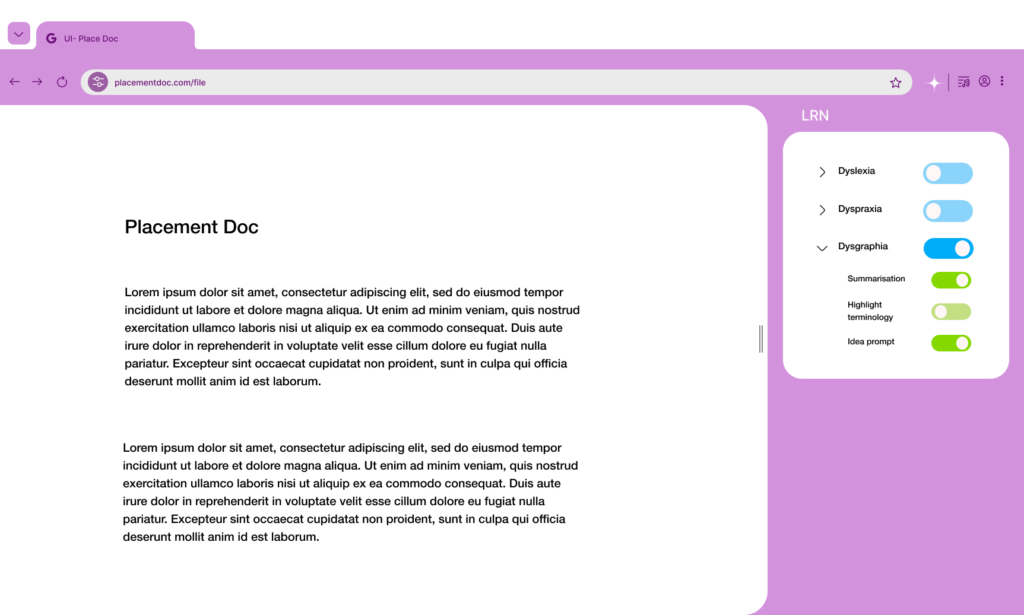
LRN was designed as a modular sidebar extension with toggle controls for dyslexia dyspraxia and dysgraphia.
Features include text highlighting AI summarisation audio playback and an image generator. All customisable to the individual user.
The Design Ideology
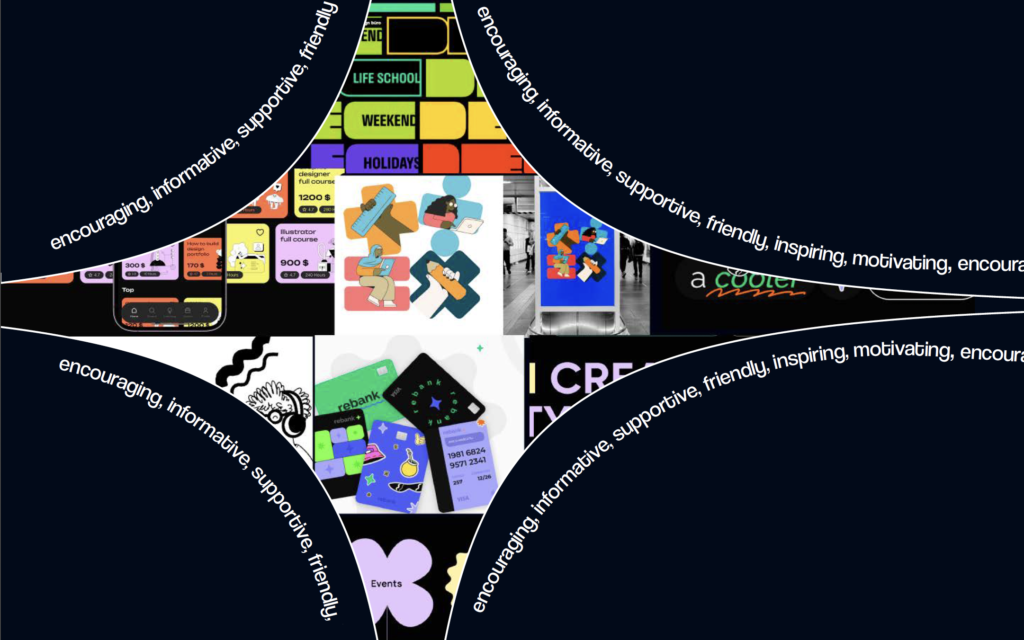
LRN needed to feel approachable not clinical.
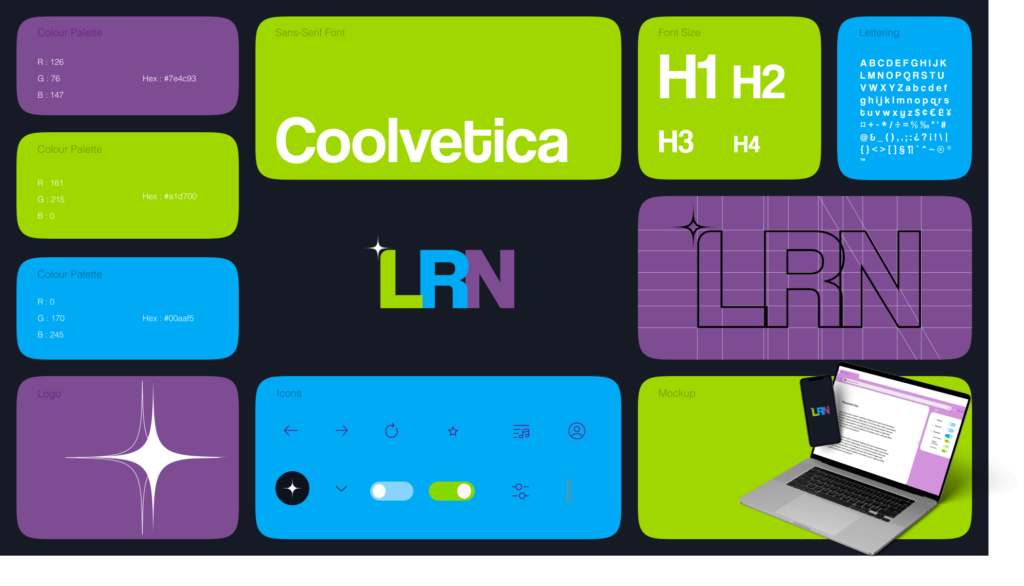
An analogous blue palette signifying knowledge a bold star motif and clean Helvetica body text came together to create something a teenager would actually want to use.
The Visual Identity
The visual identity for LRN was developed across Figma and Adobe Illustrator moving from early sketches and wireframes through to a fully realised interface.
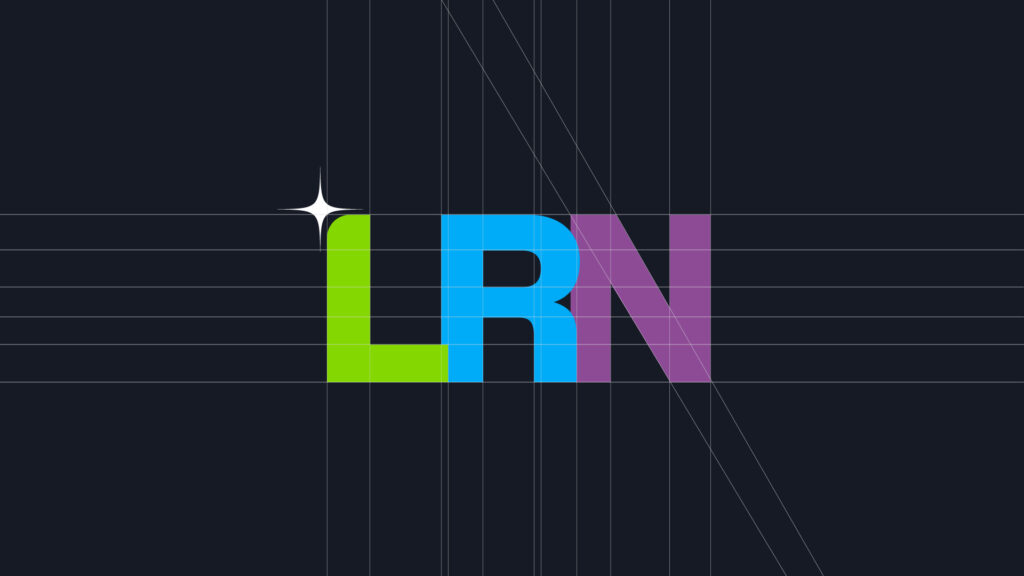
Multiple colour palettes were explored before landing on an analogous blue scheme chosen for its association with knowledge and calm. Typography was tested across display and body weights with Helvetica selected for its clarity and readability within the interface itself. The star motif in the brandmark went through several iterations before the final lockup was agreed on

What I learned
Start with a Clear Problem
A strong problem statement guides everything. It prevents random features and keeps the project focused Good UX is problem-led, not feature-led.
Deep User Understanding is Everything
Real insight comes from talking to people, not just thinking. Emotional needs matter as much as functional ones. Users are more complex than expected
Non-Intrusive Design Matters
UX is also about social and emotional context. Visibility vs invisibility is a design decision. The best tools often feel invisible